
Stress Testing for Cardiac Assessment
Safe, accurate evaluation of how your heart performs under physical demand

Understanding How Your Heart Handles Activity
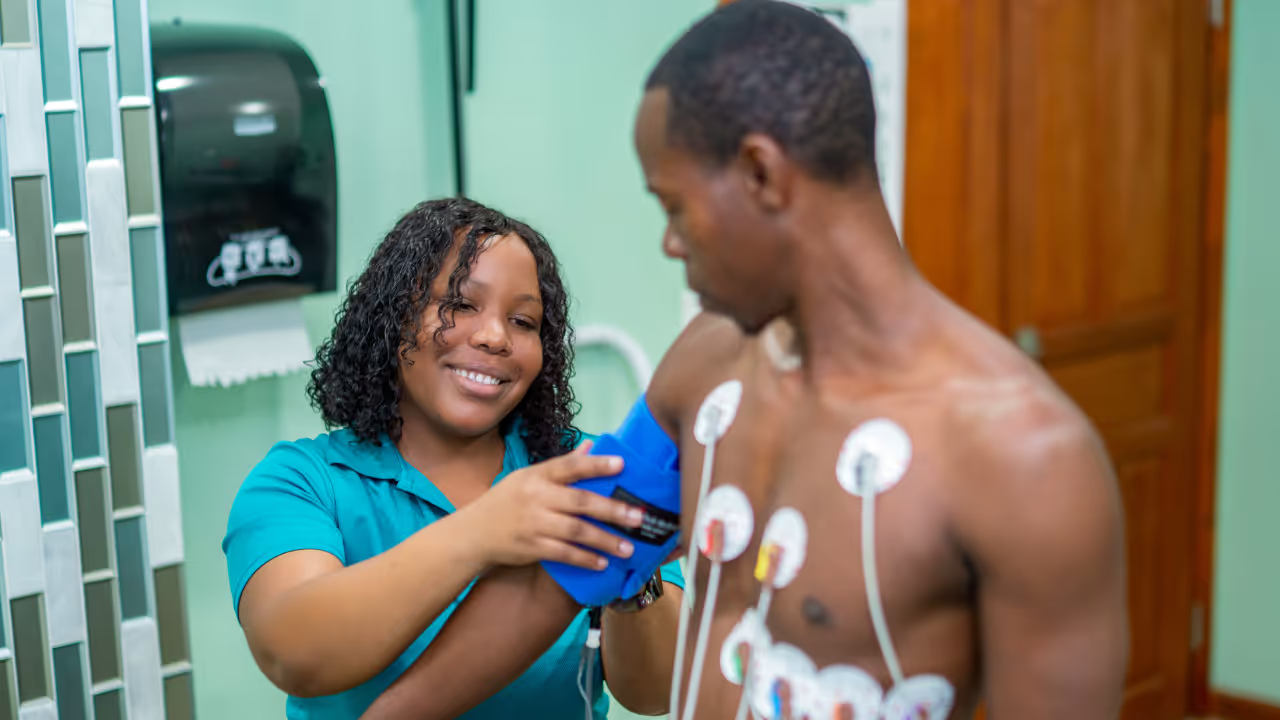
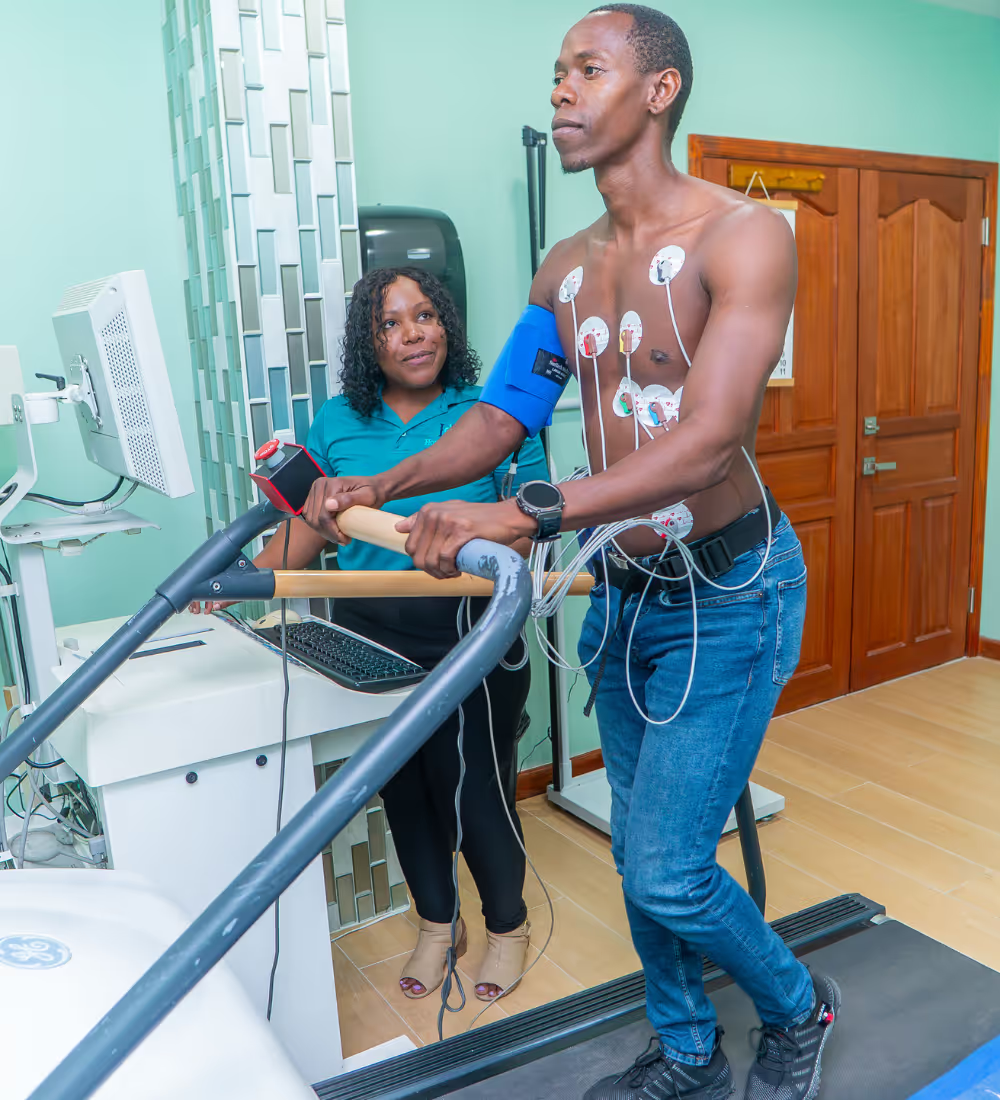
A stress test helps us see how your heart responds during physical activity. While you walk on a treadmill, we monitor your heart's electrical activity, blood pressure, and heart rate to understand how well your heart is working when it's asked to do more.
Think of it like taking your heart for a test drive - we want to see how it performs when you're moving, not just when you're sitting still.
When Your Doctor Might Recommend a Stress Test
A stress test is often recommended if you have a history of coronary artery disease in your family, or to help determine what types and intensity of exercise are safe for you.
We often recommend stress testing if you're experiencing:
* Chest pain or discomfort, especially with activity
* Unexplained shortness of breath during exercise
* Irregular heartbeats or palpitations
What to Expect During Your Test
Please wear comfortable, loose-fitting clothing and walking shoes. You'll need to avoid eating or drinking (except water) for 3-4 hours before your test. Bring your medication list - your doctor may ask you to hold certain medications before the test.
Before We Begin:
Please wear comfortable, loose-fitting clothing and walking shoes. You'll need to avoid eating or drinking (except water) for 3-4 hours before your test. Bring your medication list - your doctor may ask you to hold certain medications before the test.
What We're Looking For:
The test helps us detect heart issues that might only show up when your heart is working harder - things like coronary artery disease (blocked arteries) or abnormal heart rhythms that don't appear when you're resting.


.avif)